
Loading...
Serving Sugar Land, TX and surrounding areas. (281) 203-5105
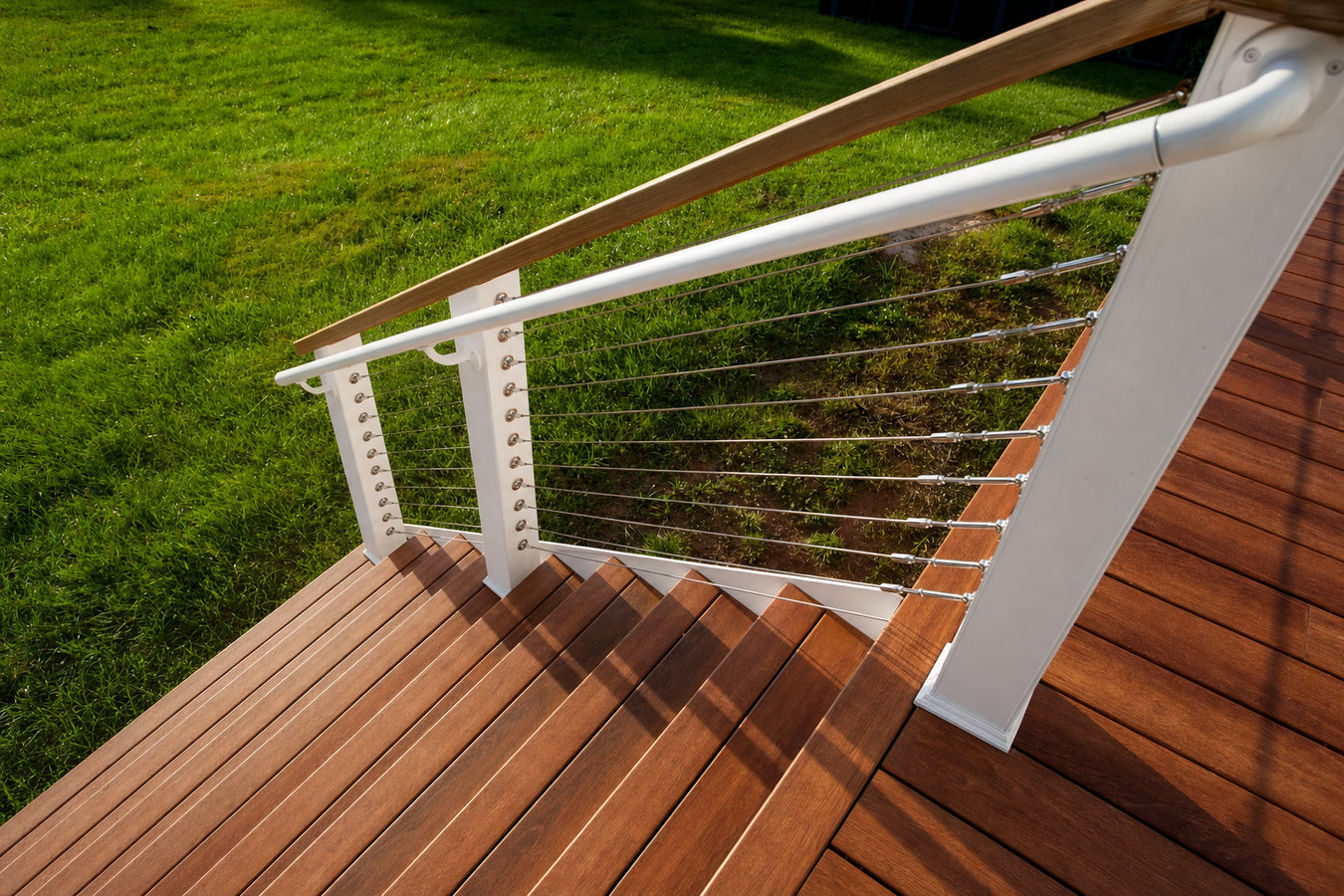
A railing that wobbles is a liability. We install code-compliant deck railings in wood, aluminum, composite, and cable - pull the city permit, handle your HOA submission, and anchor every post to the frame so it holds firm through Sugar Land's year-round outdoor season.
Deck railing installation in Sugar Land means removing or replacing the railing around your elevated deck - anchoring posts directly to the structural frame, installing the rail sections and infill, and passing a city inspection that confirms the work meets local safety requirements. Most standard residential installations are completed in a single day once the permit is in hand.
For Sugar Land homeowners, the stakes are higher than in many other parts of the country. Decks here get used year-round because of the mild winters, which means wear accumulates faster and a railing that might last 15 years in a cooler climate may need attention sooner here. Texas building code also requires a railing on any deck surface 30 inches or more above the ground - so if you have an elevated deck with no railing, or one that fails the push test, this is not optional.
Railing installation is a natural part of any deck build or replacement project. If your full deck surface needs attention, our deck repair and replacement service handles the framing and boards alongside railing work. For homeowners adding a second level, our multi-level decks service includes railing installation as part of each elevated platform.
Give your railing a firm push from the outside. If it moves, flexes, or feels loose at the post base, it is no longer structurally sound. A railing that fails under pressure is a fall hazard - especially for children or elderly guests. This kind of movement usually means the posts were not anchored to the frame properly, the hardware has corroded, or the wood has rotted at the connection points.
Sugar Land's combination of summer heat, heavy rain, and persistent humidity is hard on wood railings. Run your hand along the rail and press on the posts near the base - if the wood feels spongy, crumbles, or shows deep cracks along the grain, rot has likely set in. This kind of hidden rot is common in this climate and is worth checking every year, especially after a wet season.
Stand back and look at the spacing between the vertical pieces between your posts. If you can fit your fist through the gap, the spacing is wider than current safety standards allow. This is especially important if you have young children or grandchildren visiting. Older railings installed before current code standards are commonly out of compliance on this point.
If your deck surface is 30 inches or more off the ground and has no railing, you are out of compliance with Sugar Land's building requirements. This is both a safety issue and a liability issue - and it will come up during a home inspection if you sell. A deck without a required railing can also affect your homeowner's insurance coverage if someone is injured.
Every railing project starts with an in-person visit. We measure the perimeter, check the condition of the existing deck frame and posts, and walk you through material options that make sense for your situation and budget. We ask about HOA requirements upfront - if you live in First Colony, Telfair, or Riverstone, we already know the common restrictions and will flag any potential conflicts before a post is set. If a permit is required, we submit the application to the City of Sugar Land on your behalf and coordinate the inspection once the work is complete.
Railing work almost always connects to broader deck projects. If your frame, joists, or surface boards also need attention, our deck repair and replacement service handles the structural and surface work alongside the railing in a single project. For homeowners planning a new multi-level build, our multi-level decks service incorporates compliant railing at every elevated platform from the start.
Best for homeowners who want a low-maintenance option that holds up to Sugar Land's heat, humidity, and UV exposure without painting or sealing every year.
Best for homeowners who want the warmth and look of wood with significantly less upkeep - composite resists rot and fading better than natural wood in this climate.
Best for homeowners who want to preserve sightlines to the yard or pool - cable systems keep the view open while meeting code, and suit yards where the view is part of the design.
Best for homeowners working with a tighter budget who are comfortable with regular sealing and maintenance to keep the wood in good shape through Fort Bend County's wet and humid seasons.
Sugar Land averages over 50 inches of rain per year, and the persistent humidity means materials that work fine in drier climates begin to fail faster here. Wood railings need sealing every one to two years in this environment or they develop the soft, spongy rot that makes them structurally unsafe before they look noticeably worn. Aluminum and composite options were specifically engineered for high-heat, high-humidity conditions and are what most experienced local contractors recommend as a first choice for Sugar Land decks. The right material for your yard is not the same answer as the right material for a deck in Colorado or even Dallas.
The permit and HOA process adds another layer. The City of Sugar Land requires a permit for most elevated deck railing projects, and many homeowners near Pearland and Friendswood are in communities where an HOA also governs railing styles and colors. We pull the city permit on your behalf and check your HOA's architectural guidelines before anything is ordered - so you are not installing a cable railing that your community will require you to remove.
We reply within one business day. A quick conversation covers the size of your deck, whether you have an existing railing, and what you are hoping to change. We schedule a site visit from there - no commitment required.
We measure the perimeter, check the condition of your existing posts and frame, and walk through material options with you. If you live in a community with HOA rules, we factor those in before you fall in love with a railing style that might not be approved.
Once you sign, we submit the permit to the City of Sugar Land. This typically adds several days to a week before installation can begin - that is normal and expected. You do not need to visit any office or fill out any paperwork yourself.
Most standard installations are done in one day. After the work is complete, the city inspector visits to verify it meets safety requirements. We coordinate that visit and do a final walkthrough with you before closing out the project.
Free on-site estimate. We pull the permit and handle HOA paperwork. One day to install on most residential decks.
(281) 203-5105Surface-mounting railing posts to the decking boards is a common shortcut that leads to railing failure over time - especially in Sugar Land's wet climate where the connection point deteriorates quickly. We anchor every post directly to the structural deck frame, which is what actually holds under load. That single detail is what separates a railing that passes inspection from one that wobbles after one summer.
We recommend materials based on what actually holds up here - not just what is cheapest upfront. The North American Deck and Railing Association classifies the Houston metro climate as high-risk for wood degradation because of the combination of UV intensity and moisture. Aluminum and composite systems are our first recommendation for most Sugar Land homeowners because they carry that load without requiring yearly upkeep.
Sugar Land has a high concentration of master-planned communities where HOA architectural committees actively monitor exterior changes. We check your community's guidelines before we suggest a railing style - so you are not discovering after the fact that your new cable railing violates the Telfair or Riverstone design standards. Getting that right the first time saves you from a costly redo.
Unpermitted deck work is one of the most common issues that surfaces during a home sale inspection in Fort Bend County. We pull the City of Sugar Land permit on every project that requires one and coordinate the city inspector's visit so the work is officially documented. When you are ready to sell, there are no surprises waiting in the disclosure process.
When you put those details together - proper anchoring, climate-matched materials, HOA awareness, and permitted work - the result is a railing that holds firm for years and does not create headaches down the road.
Full design-to-build deck projects in Sugar Land where railing is spec'd alongside every other element from the first planning session.
Learn MoreTwo-and-three-level deck construction in Sugar Land with compliant railing installed at every elevated platform as part of the build.
Learn MorePermit processing adds a week before work can start. The sooner you call, the sooner your deck is safe and compliant for the season ahead.